









Many generations back, my dad’s family were hill farmers and shepherds, and I’ve always felt a strong pull to our upland regions. I have the greatest admiration and respect for those people who make their living off the land (maybe even a touch of envy). And, for as long as I can remember, I’ve been a fan of Countryfile, the king of telly farming programmes. I’ve loved and watched the show for years. I’m very pleased to have had the chance to appear on it a few times in the past. I’ve made a suit for Adam Henson from wool from his Cotswold flock and we have driven a flock of his rare breed sheep through Stow-on-the-Wold. Earlier this year, I helped judge the Countryfile BBC Children in Need woolly hat competition (made, again, with fantastic British wool). On Sunday, I’ll be back on the show again, this time showing the lovely Anita Rani our amazing Homegrown/Homespun regenerative textile project here in Blackburn.
 All photography by Jack Bolton
When we first started wearing clothes, 30,000 years ago, we wore what we could make from the plants and animals around us. Of course it was all natural and caused no harm (except to the odd mammoth whose pelt we fashioned into a coat). At the end of its life, the clothes passed back into the soil to regenerate and enrich the earth. Fast forward to today and the fashion industry is amongst the world’s worst polluters; destroying soil and water systems, filling the air with greenhouse gases, and spewing out millions of tons of non-biodegradable plastic clothes into landfill. Thankfully, there is still a small amount of high quality clothing made today that has a positive story, produced in closer harmony with nature. That includes sheep or goats grazing our upland pastures, flax grown in northern Europe for the finest linen fibre and the highest quality, non-intensively farmed cotton, grown in places where it would grow naturally. That’s the stuff we use at Community Clothing. Our garments are made almost exclusively from sustainable, natural, biodegradable materials sourced responsibly from long established growers and producers. But the idea with Homegrown Homespun is to see if we can go one step further. Can we make clothes here in the UK from the fibres and dyes that can be naturally grown, not hundreds, or thousands, of miles away, but right here on our doorstep?

Homegrown/Homespun was an idea formed a couple of years ago with my good friend Justine Aldersey-Williams (a natural dyer and founder of the North West England branch of Fibershed) and expanded in conversations with the brilliant team at The Super Slow Way. Homegrown/Homespun’s aim is to create a regenerative local textile system which benefits the environment, nature and people’s physical and mental health (both the people involved and the wider population), while also helping to foster the community togetherness that collective labour used to bring. Hopefully, this will stimulate the growth of a new local green textile economy.

So, what are we actually doing?
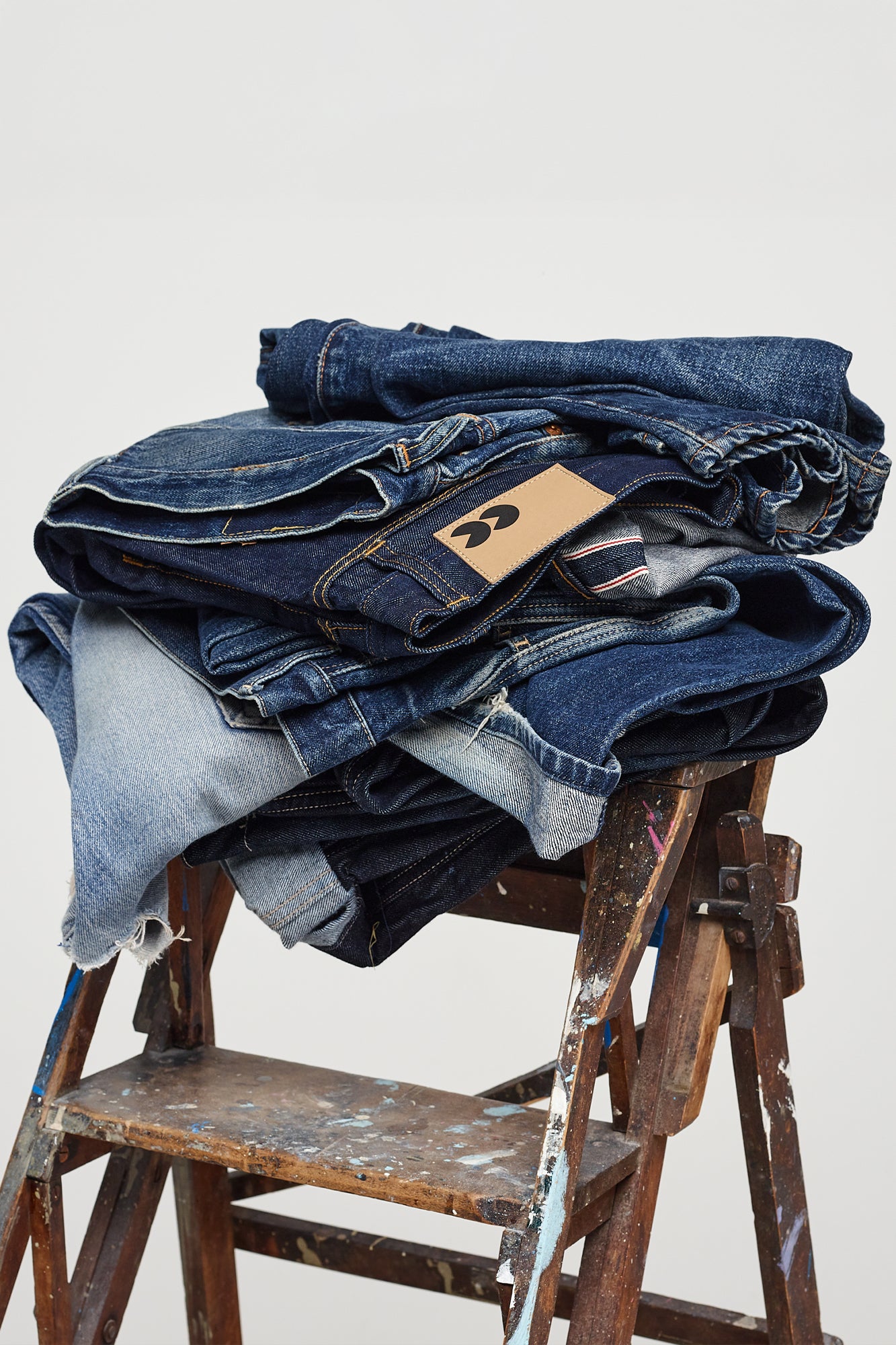
We’re growing flax and woad (two very ancient crops that used to be widely grown across the UK) in fields reclaimed from disused urban space in the middle of the Blackburn, a town with a long and rich textile heritage. We’re then turning those plants into fibre and dye, using them to make our own locally grown denim and then sewing that into locally made jeans. Watch Countryfile this Sunday on BBC One at 5.10pm to find out more about this project. You’ll see me, with the rest of our fantastic crew of hardworking and dedicated local coordinators and volunteers, up to our ears in glorious flax, harvesting this year’s crop.
Patrick Grant
Founder, Community Clothing
PS. if you want to find out more about what we’ve been doing, or the partners in this project, or you’d like to get involved in next year’s activities, see the links below.
Justine’s brilliant blog about the project https://northwestenglandfibreshed.org/homegrown-homespun/
The Super Slow Way http://superslowway.org.uk
Fibershed https://fibershed.org/
Many generations back, my dad’s family were hill farmers and shepherds, and I’ve always felt a strong pull to our upland regions. I have the greatest admiration and respect for those people who make their living off the land (maybe even a touch of envy). And, for as long as I can remember, I’ve been a fan of Countryfile, the king of telly farming programmes. I’ve loved and watched the show for years. I’m very pleased to have had the chance to appear on it a few times in the past. I’ve made a suit for Adam Henson from wool from his Cotswold flock and we have driven a flock of his rare breed sheep through Stow-on-the-Wold. Earlier this year, I helped judge the Countryfile BBC Children in Need woolly hat competition (made, again, with fantastic British wool). On Sunday, I’ll be back on the show again, this time showing the lovely Anita Rani our amazing Homegrown/Homespun regenerative textile project here in Blackburn.
All photography by Jack Bolton
When we first started wearing clothes, 30,000 years ago, we wore what we could make from the plants and animals around us. Of course it was all natural and caused no harm (except to the odd mammoth whose pelt we fashioned into a coat). At the end of its life, the clothes passed back into the soil to regenerate and enrich the earth. Fast forward to today and the fashion industry is amongst the world’s worst polluters; destroying soil and water systems, filling the air with greenhouse gases, and spewing out millions of tons of non-biodegradable plastic clothes into landfill. Thankfully, there is still a small amount of high quality clothing made today that has a positive story, produced in closer harmony with nature. That includes sheep or goats grazing our upland pastures, flax grown in northern Europe for the finest linen fibre and the highest quality, non-intensively farmed cotton, grown in places where it would grow naturally. That’s the stuff we use at Community Clothing. Our garments are made almost exclusively from sustainable, natural, biodegradable materials sourced responsibly from long established growers and producers. But the idea with Homegrown Homespun is to see if we can go one step further. Can we make clothes here in the UK from the fibres and dyes that can be naturally grown, not hundreds, or thousands, of miles away, but right here on our doorstep?
Homegrown/Homespun was an idea formed a couple of years ago with my good friend Justine Aldersey-Williams (a natural dyer and founder of the North West England branch of Fibershed) and expanded in conversations with the brilliant team at The Super Slow Way. Homegrown/Homespun’s aim is to create a regenerative local textile system which benefits the environment, nature and people’s physical and mental health (both the people involved and the wider population), while also helping to foster the community togetherness that collective labour used to bring. Hopefully, this will stimulate the growth of a new local green textile economy.
So, what are we actually doing?
We’re growing flax and woad (two very ancient crops that used to be widely grown across the UK) in fields reclaimed from disused urban space in the middle of the Blackburn, a town with a long and rich textile heritage. We’re then turning those plants into fibre and dye, using them to make our own locally grown denim and then sewing that into locally made jeans. Watch Countryfile this Sunday on BBC One at 5.10pm to find out more about this project. You’ll see me, with the rest of our fantastic crew of hardworking and dedicated local coordinators and volunteers, up to our ears in glorious flax, harvesting this year’s crop.
Patrick Grant
Founder, Community Clothing
PS. if you want to find out more about what we’ve been doing, or the partners in this project, or you’d like to get involved in next year’s activities, see the links below.
Justine’s brilliant blog about the project https://northwestenglandfibreshed.org/homegrown-homespun/
The Super Slow Way http://superslowway.org.uk
Fibershed https://fibershed.org/


I have long fancied including a classic Guernsey in our collection and so last summer I was delighted to have the chance to visit the Le Tricoteur factory on the island's western coast.
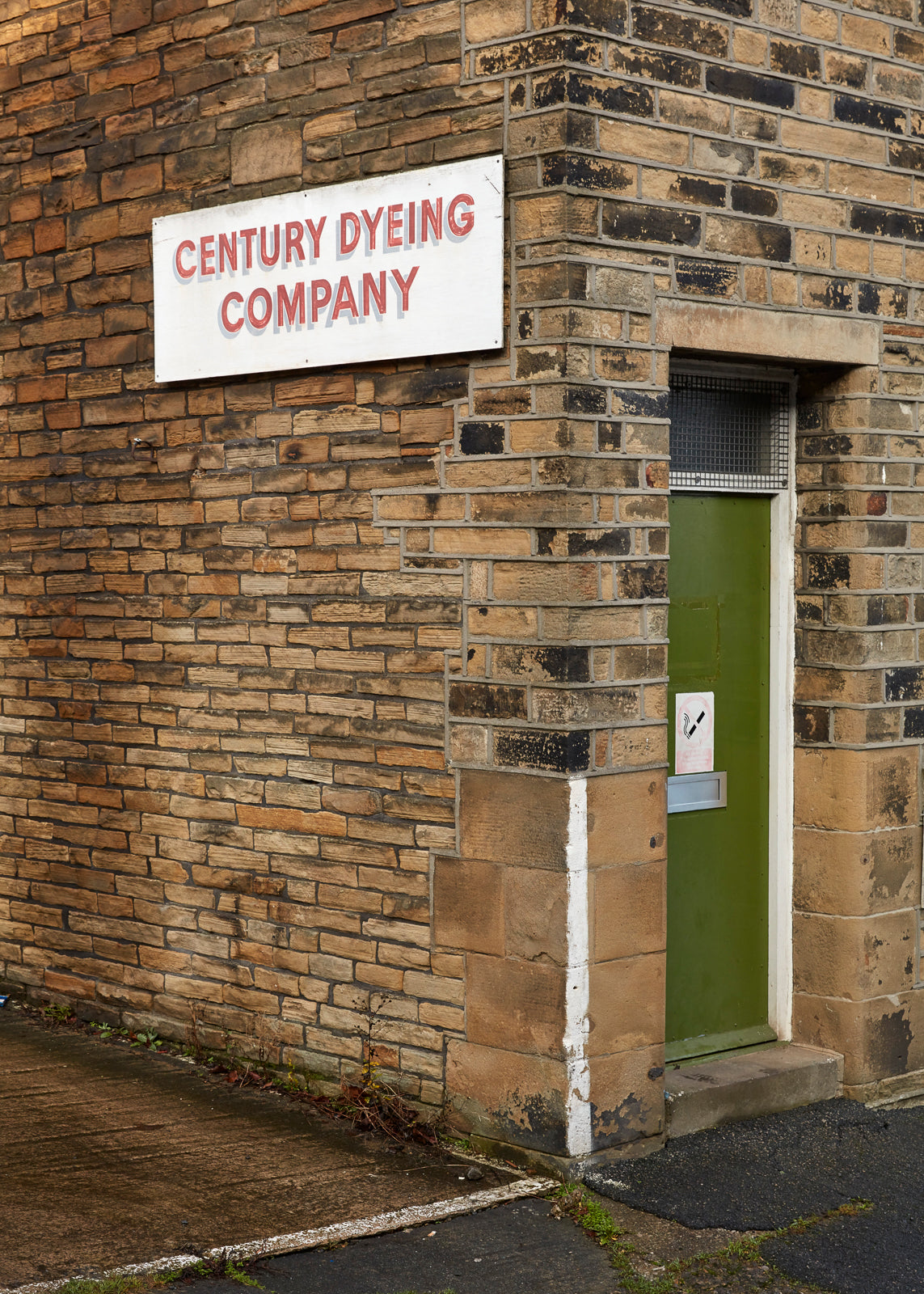

Everything we do is a celebration of the people, the skills and the traditions of the amazing factories we work with, all of them the very best of their kind, all of them deeply embedded in the culture and history of their communities.
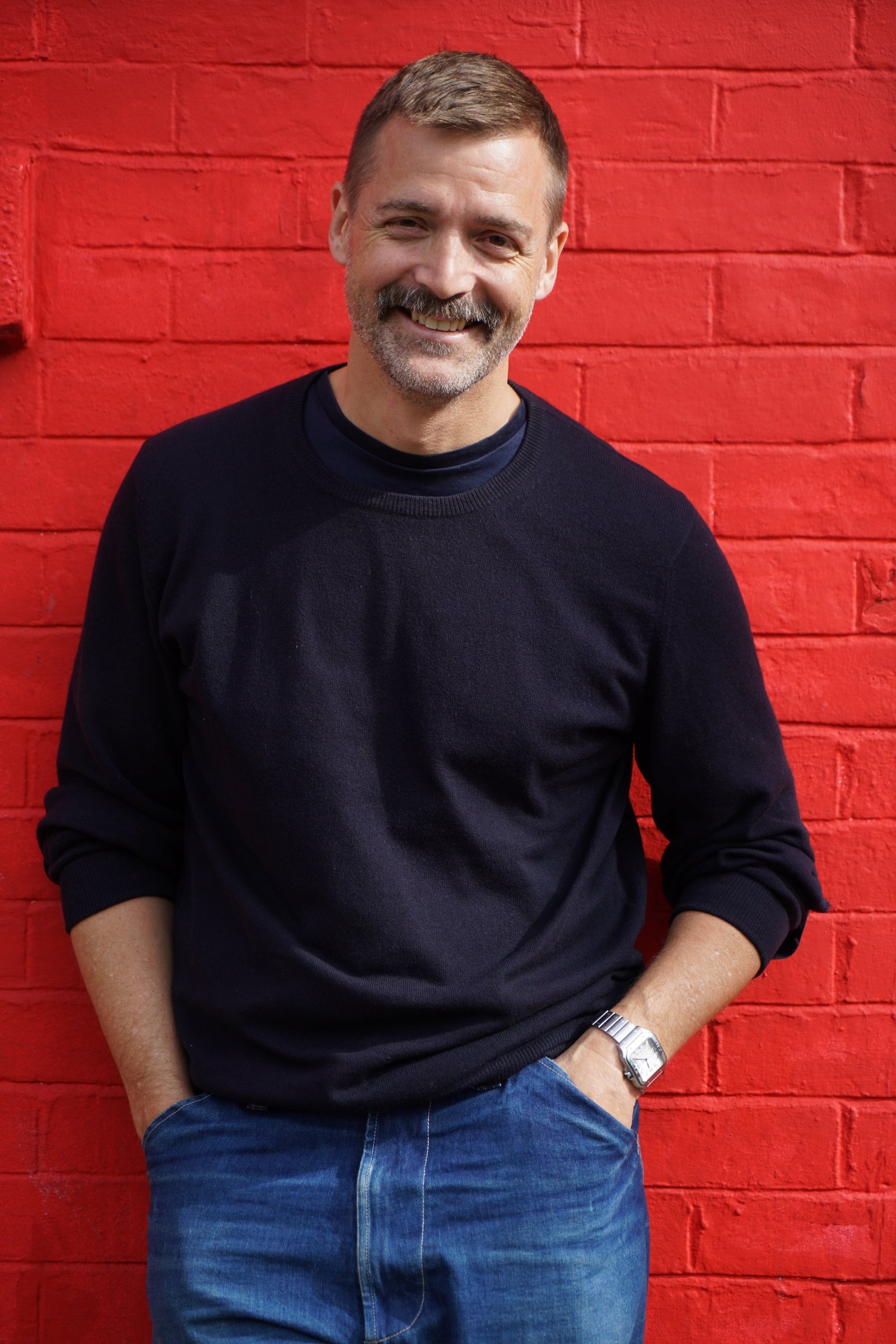

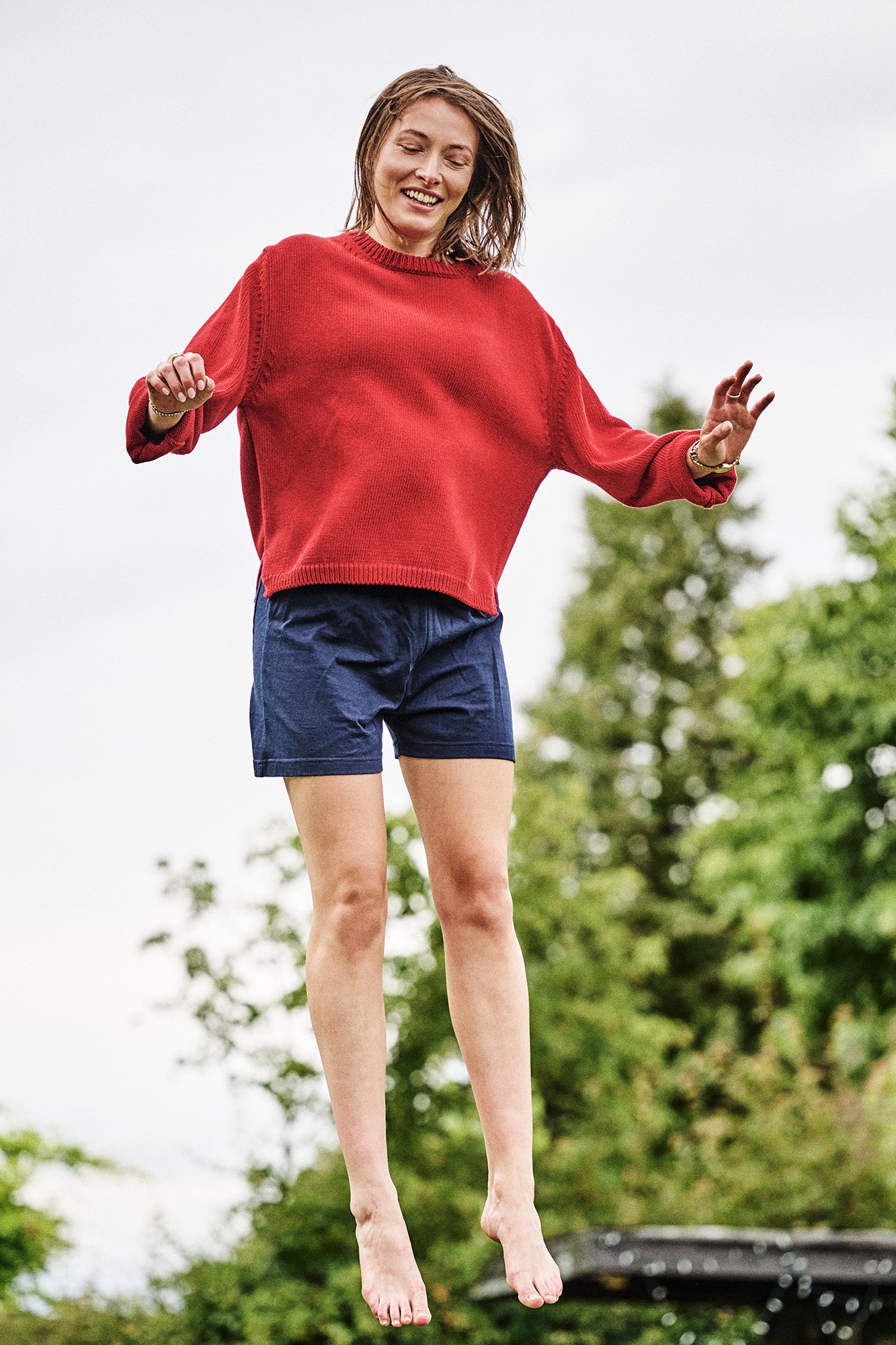
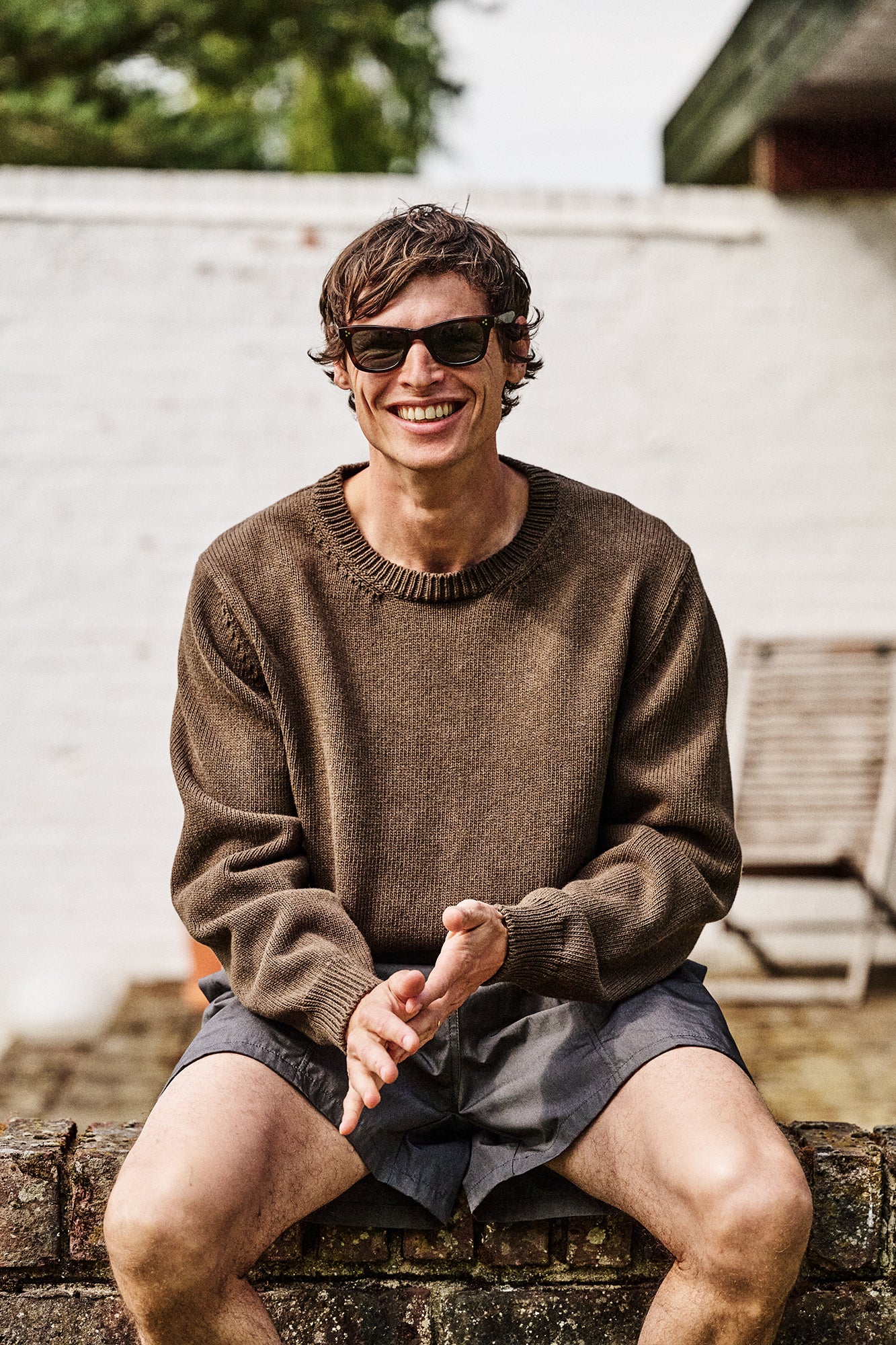
Great photographs don’t just show our clothes, they tell our story and connect you with what we do.
Our philosophy around photography is really simple: just keep it honest. Shoot the clothes as they are, don’t alter or pin them, don’t retouch. When our clothes arrive and you put them on we want them to look like the clothes you see in the pictures.