






Oooof, plastics. So good at keeping our lunch fresh, so good at keeping our dodgy hearts working, but so bad in our lungs, brains, and the placentas of our unborn children.
This recent Guardian article about the lifecycle of plastics is a pretty chilling read, but sadly, most of it won’t come as a surprise to many of you. There are some fantastic applications for plastics and other polymers (I studied them at university as part of my Materials Science degree thirty years ago), but using them to make really cheap, fibre-shedding clothes is definitely not one of those.
As our clothes are worn and washed, they shed fibres. When these fibres are cotton, wool, linen or hemp, these fibres will quickly and naturally biodegrade. But polyester and other synthetics like acrylic, nylon, polyurethane (fake leather), and elastane (the stretch in your clothes, and the elastic), it is claimed, biodegrade over hundreds of years (but there is some suggestion they may never properly biodegrade at all). Since the start of mass manufacture of plastics in the 1950’s, we’ve produced over 8 billion tonnes of plastic, that’s more than a tonne for every human alive today. And so far none of it has gone away. Today over 70% of our clothes are made from plastics, and nearly all of them contain some plastics (even if they are labelled 100% cotton or wool). Knitted synthetic fabrics, like jersey for sweatshirts and leggings, knitted garments like jumpers hats and scarves, shed far more fibres because the fibres are held less tightly in the material. Polyester fleece is the worst material by far (including recycled). It sheds plastic like there’s no tomorrow (which there might not be at this rate).
New research shows very clearly the route that these plastic microfibres take, from wastewater (from our washing machines etc), to the fields via slurry used as fertilizer, to worms, slugs and butterflies, on to mammals and birds (including poor old hedgehogs, already critically endangered), and of course, all the way up the food chain to us. We humans ingest at least 50,000 pieces of microplastic a year, and it has been found in our blood, lungs, brain and even in our bone marrow. Nanoplastics have been found in the leaves and fruits of plants. This grim situation is only going to get worse if we don’t make changes now.
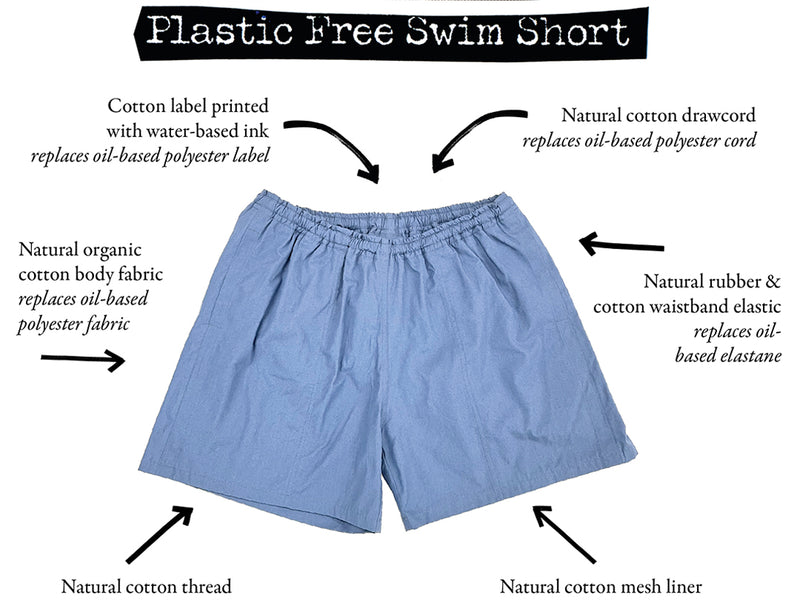
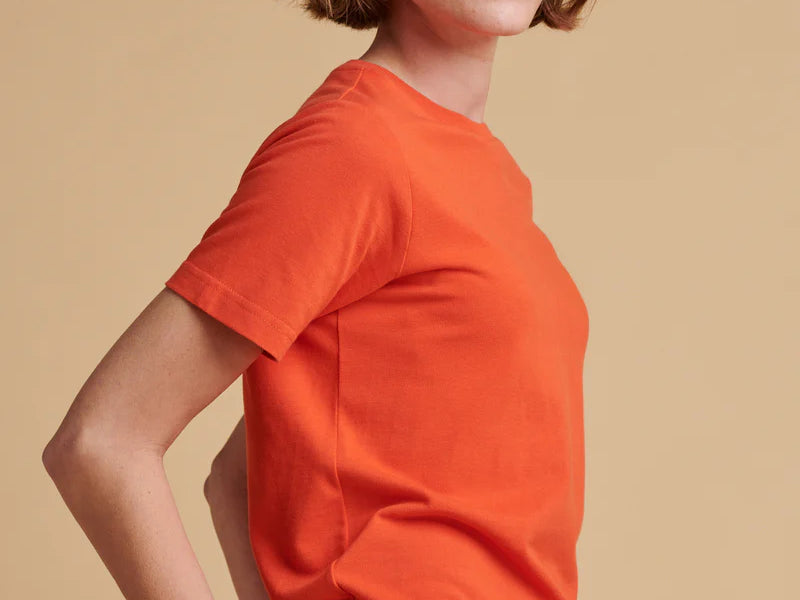
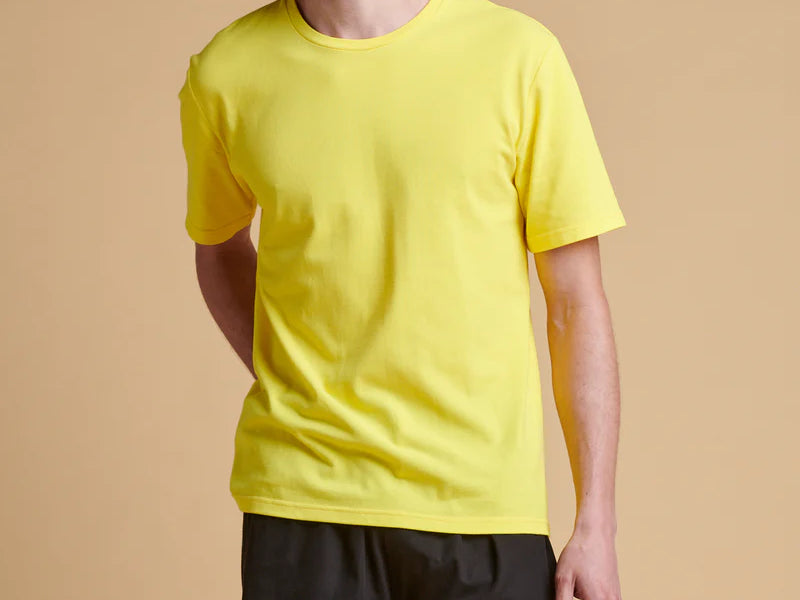
At Community Clothing, we spent years developing plastic-free sportswear because pretty much all sportswear and sports shoes are 100% plastic, so it was the area that most needed changing. But almost all other garment are sewn using polyester thread, and pretty much all labels are polyester, and they don’t need to be. We’re rolling out our plastic free know-how to more and more products in our range: we’ve recently launched kids' clothes with no plastics, and we’re now doing t shirts and sweatshirts, and the new men’s swimming shorts. You can find all our plastic free kit on the new plastic free edit page here.
It's harder, and much more expensive to switch back to natural materials, but it’s 100% the right thing to do for all life on earth. And we love life, so we’re heading plastic free.